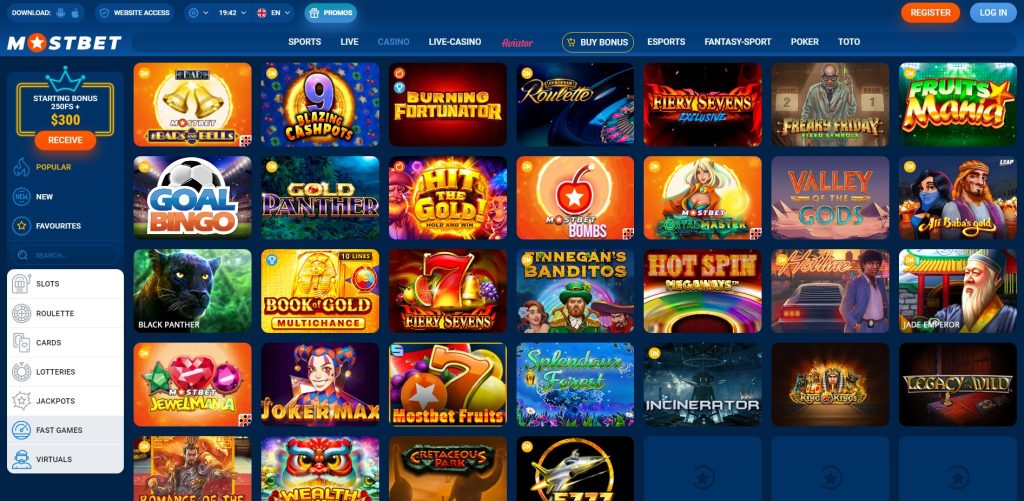
The Enchanting Journey of Online Casinos
The world of online casinos has come a long way since its inception. The transition from traditional gambling establishments to digital platforms has changed the way players engage with games. Just like visiting a local casino, modern players can now enjoy a variety of games from the comfort of their homes. With the rise of platforms like The History of Online Casinos in Bangladesh Mostbet, online gambling continues to reach new heights. In this article, we will delve into the history of online casinos, exploring their evolution, challenges they’ve faced, and the future that lies ahead.
From Brick-and-Mortar to Digital Platforms
The story of online casinos begins in the 1990s. The first real online casino is credited to Microgaming, which launched its platform in 1994. This was a significant milestone that marked the start of an entirely new way of gambling. The digital casino offered players a way to bet without leaving their homes, making gambling more accessible than ever.
Following Microgaming’s entry, more companies began to recognize the potential of this emerging market. In 1996, the first online sports betting site was launched, paving the way for other gambling categories. One of the catalysts for growth was the introduction of the Internet Gaming Prohibition Act in the United States, which drew attention to regulations surrounding online gambling.
The Expansion and Regulation Era
By the late 1990s, online casinos had gained immense popularity, leading to the establishment of regulatory bodies. In 2001, the Kahnawake Gaming Commission was formed in Canada, becoming a pioneer in licensing online gambling operators. This increased consumer confidence, as players sought assurance that their money and information were secure.

During this period, the variety of games available to players expanded tremendously. Slots, blackjack, poker, and roulette became staples of online casinos. Innovations such as random number generators (RNGs) ensured fair play, while software providers like Playtech and NetEnt emerged to create captivating gaming experiences.
The Rise of Live Dealer Casinos
The early 2000s brought about another significant advancement: live dealer casinos. This technology allowed players to interact with a real dealer through video streaming, replicating the ambiance of a physical casino. The advent of high-speed internet made this possible, providing players with a more immersive experience.
The introduction of live dealer games was a game changer for online casinos. Players loved the social aspect, as they could communicate with dealers and other players. Games such as live blackjack and live roulette became hugely popular, leading to further innovation and growth in the online gaming sector.
Mobile Gaming Revolution
As smartphones became ubiquitous in the late 2000s and early 2010s, online casinos adapted to meet the demands of mobile users. This mobile gaming revolution allowed players to access their favorite games anytime, anywhere, further increasing the appeal of online gambling.
Today, most online casinos offer mobile-friendly platforms or dedicated applications that provide a seamless gaming experience. This move to mobile has encouraged more players to engage with online gambling, as it has never been easier to play slots or poker during a commute or while relaxing at home.
Regulation Challenges and Market Expansion
While the industry experienced rapid growth, regulatory challenges continued to emerge. Different countries implemented varying laws governing online gambling, leading to a complex landscape for operators. However, the demand for online gaming led many jurisdictions to reconsider their stances regarding regulation, resulting in more markets opening up for online casinos.
In 2013, New Jersey became the first U.S. state to legalize online gambling, giving a significant boost to the industry and establishing a model for other states to follow. The trend continued, and today several states have legalized and regulated online casinos, allowing them to operate with greater transparency and player protection.
Blockchain Gaming and the Future
As the world evolved, so did online casinos. Recently, blockchain technology has started to make waves in the gambling industry. Cryptocurrencies like Bitcoin are gaining acceptance as valid payment methods, offering players increased security and anonymity when wagering online.
Decentralized platforms also allow players to participate in games without the oversight of an intermediary, increasing the sense of trust. The integration of smart contracts ensures fairness, as terms and conditions are transparent and cannot be manipulated after the fact.
Conclusion: The Ongoing Evolution of Online Casinos
The history of online casinos is a testament to the industry’s resilience and adaptability. From its humble beginnings in the mid-90s to the complex, technology-driven platforms we see today, online gambling has transformed drastically. As we look to the future, it’s clear that advancements in technology—from live gaming and mobile applications to blockchain integration—will continue to shape this exciting industry.
The journey of online casinos is ongoing, and players can expect even more innovations that enhance their gaming experience in the years to come.